
Quick Guide to Tray Packaging
2026/05/06
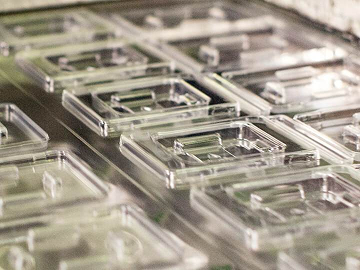
Given the precision, sensitivity, and fragility of electronic components, SMT trays used to hold these components must be manufactured so that the dimensions of the cavities are virtually identical after molding, thereby minimizing any displacement. This requires precise control throughout the entire process, from mold making to production.
Wanjiuping is the designated manufacturer of electronic trays for well-known brand OEMs. From mold design to tray molding, we continuously refine our production and quality control techniques. Our precision-engineered electronic trays effectively protect SMT components from damage during storage and transportation.
What is a Tray?
Electronic trays, often referred to as “fragile trays,” are a common type of custom packaging material for electronic components. They typically have the following characteristics:
Packaging and Protection:
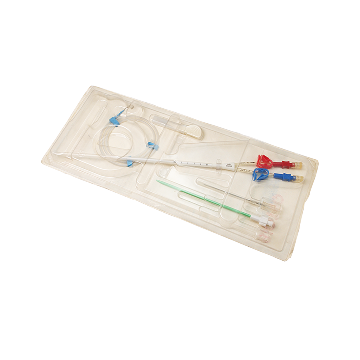
Ensure that products are placed separately from one another to prevent components from rubbing against each other, becoming damaged, or bouncing and colliding inside the tray.
Transportation and Warehousing Functions:
Facilitates bulk inventory checks of precision electronic components, ensures safe transport from the production line to the assembly line, and speeds up the transfer process.
Tray packaging not only makes it easy to keep finished components clean and store them, but also provides excellent protection during transport and facilitates in-store display.
Packaging and Automated Production:
Automated machinery requires precise component alignment and placement. Tray designs are compatible with various robotic arms and automatic stackers to achieve higher operational precision, and customized trays serve as essential tools for continuous professional manufacturing processes.
Commonly used in precision component production lines both domestically and internationally, these trays are also referred to in the industry as “work trays,” “electronic trays,” or “transfer trays.”
Tray and Lid Design
These can be customized based on operational requirements(manual or automated operations), item geometry, and material properties(anti-static, conductive, etc.). They are manufactured through custom mold design followed by thermoforming.
| Stackable + Nested | Stackable trays offer excellent transportation and storage capabilities, effectively utilizing vertical space to easily increase transport capacity; empty trays can be nested to reduce the overall volume of goods. |
| Secure Snap-On Lids | The tray lids serve both protective and stacking functions. With a secure snap-on design on all four sides, the lids close with a single press, ensuring they won’t come loose. |
| Stable Placement Structure | The lid design is tailored to the tray’s base structure, ensuring the tray sits securely and remains stable when stacked, minimizing wobbling. |
Tray Design
These well-designed stackable trays combine the advantages of transportation, processing, and storage into a single solution. During storage, they make efficient use of vertical space to maximize transport capacity. During processing, the lid and base fit securely together, ensuring stability and preventing wobbling during operation and stacking.
The stacking structure and slot dimensions of the lids have been carefully measured. They can also be engraved with serial numbers and specification batch codes to help staff conduct quick inventory checks and reduce the error rate;
or printed with your company logo. If products need to be transferred to other factories during the manufacturing process, this enhances recognition and showcases your brand.
We offer a wide variety of thermoformed trays specifically designed for precision instruments, electronic components, DRAM, and dust-sensitive ICs. WJP Packaging is committed to meeting all your needs, regardless of size or quantity.
Tray Materials
Trays can be categorized by application into various types, such as IC trays, electronic component trays, DRAM trays, DDR trays, precision instrument trays, and dust-proof trays.
During the design and R&D phase, evaluations are conducted based on the tray’s intended use:
- Whether conductive or anti-static materials are required
- Selection of tray exterior color
- Use of transparent PET material (to improve visibility of internal electronic components)
- Operating conditions: manual or automated system operation
- Requirements for integration with automated equipment (robotic arm grippers, automatic stackers, etc.)
ESD materials include PP, RPET, PET, PS, and others. Wanjiuping has extensive experience in manufacturing various types of ESD trays using different materials. Please contact us for more details.
We handle everything from design to manufacturing in-house, including design, processing, and mass production. As a result, WJP Packaging engineers are best positioned to create your ideal tray design and are eager to explore various development options with you.